A useful outer layer, not a wall
The stratum corneum is the outermost part of the epidermis. It contains flattened cells surrounded by a mixture of lipids, including ceramides, cholesterol and fatty acids. The familiar “bricks and mortar” comparison is helpful, but incomplete: this layer is active, flexible and continually renewed. It helps limit water loss while also reducing the entry of many outside substances.
Water inside this layer helps it stay flexible. Natural moisturising factors within the cells bind water, while the surrounding lipids help organise the barrier. Healthy skin is not completely waterproof. Water normally moves outward and evaporates, a process called transepidermal water loss. The goal of moisturising is not to stop all evaporation; it is to help maintain a workable balance.
Why the same routine can feel different
Cold weather often brings lower absolute moisture in outdoor air. Heating that air indoors can produce low relative humidity unless moisture is added. Wind, frequent handwashing and long hot showers can add to the challenge. Not everyone experiences the same change: your home, work, clothing, skin condition and product habits all matter.
Skin may feel tight, rough, flaky or itchy when this balance is disturbed. Those sensations do not identify a single diagnosis. Irritant contact dermatitis, allergic contact dermatitis, eczema and other conditions can overlap with everyday dryness. You cannot reliably measure barrier function by looking at a selfie or by checking how quickly a serum disappears.
What changed before the discomfort began: the weather, washing frequency, a new treatment, or a product? This is more useful than assuming every symptom means a “damaged barrier”.
Support the barrier with fewer moving parts
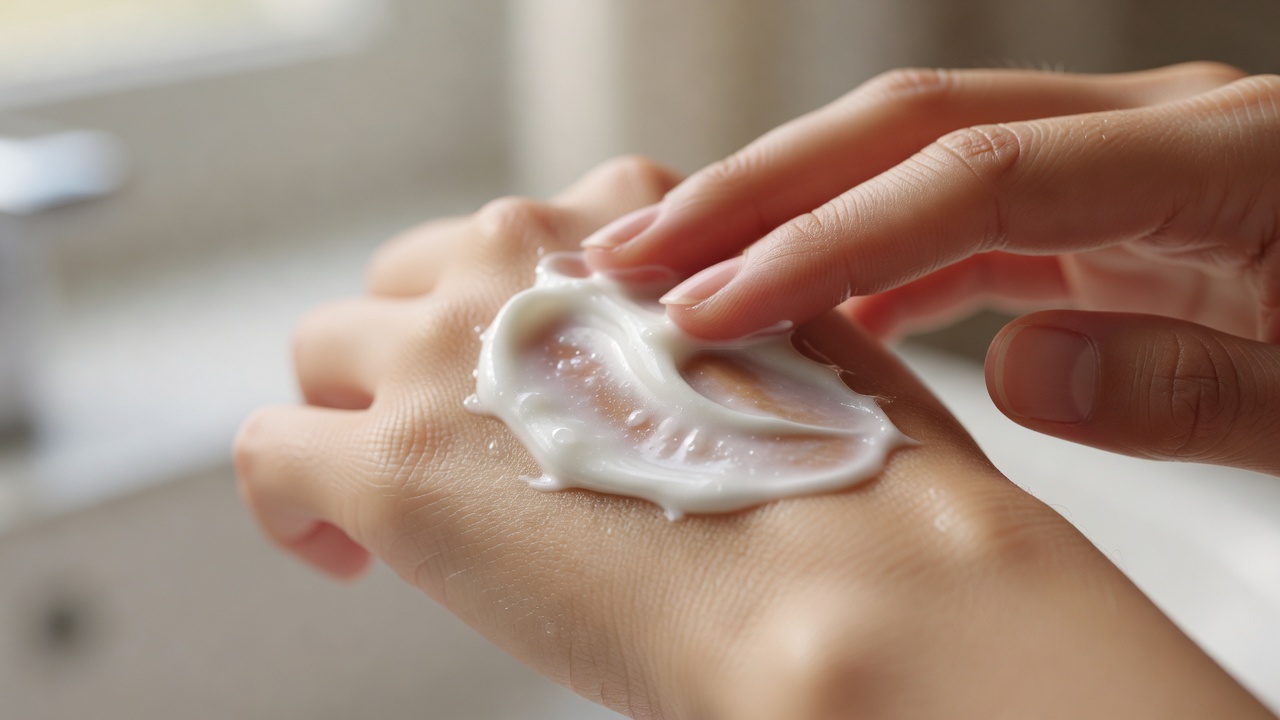
First, reduce avoidable stress. Keep washing brief and lukewarm rather than hot. Use a gentle cleanser where it is needed, avoid scrubbing, and pat rather than rub when drying. Apply moisturiser shortly afterwards, while skin is still slightly damp. These are modest changes, but they address both the washing step and the period when water can evaporate quickly.
Second, choose a moisturiser by function and comfort. Humectants help bind water; emollients smooth roughness; occlusive ingredients slow water loss. A cream may combine all three. If a light lotion no longer keeps an area comfortable, a richer cream or a small amount of plain petrolatum on a dry patch may be useful. More layers are not automatically better.
Third, stop treating discomfort as a reason to intensify exfoliation. Flakes may tempt you to scrub harder, but repeated friction or acids can worsen irritation. Temporarily simplifying optional products can make it easier to recognise a trigger. Do not change prescribed treatments without discussing the problem with your prescriber or pharmacist.
Make the room part of the routine
A humidifier can help when indoor air is genuinely dry, but it is not a cure for a skin disorder. The US Environmental Protection Agency generally recommends indoor relative humidity between 30 and 50 percent. A simple hygrometer is more informative than guessing. Avoid damp windows, condensation and mould; these are signs that adding more moisture may be unhelpful.
Clean a humidifier according to its instructions, refresh the water as directed and do not add fragrance oils unless the device is specifically designed for them. A poorly maintained machine introduces a different problem. Gloves, comfortable fabrics and avoiding direct blasts from heaters can also reduce everyday exposure without adding another cosmetic product.
Know when routine changes are not enough
Get medical advice for persistent itching, recurrent cracking, bleeding, sleep disruption or a rash that does not settle with gentle care. Spreading redness, warmth, swelling, pus or increasing pain may indicate infection and warrant prompt assessment. If facial swelling or breathing difficulty occurs after a product, seek emergency help.
A barrier-supporting routine is useful background care, not a replacement for treating eczema or another diagnosed condition. You do not need a perfect ingredient list or a fixed recovery countdown. Look for a gradual improvement in comfort, and ask for help when the symptoms call for more than cosmetic adjustments.
Sources and further reading
- DermNet: skin barrier function — structure and barrier processes.
- American Academy of Dermatology: dry skin care — practical care and when to seek help.
- US Environmental Protection Agency: moisture in the home — humidity and mould prevention.