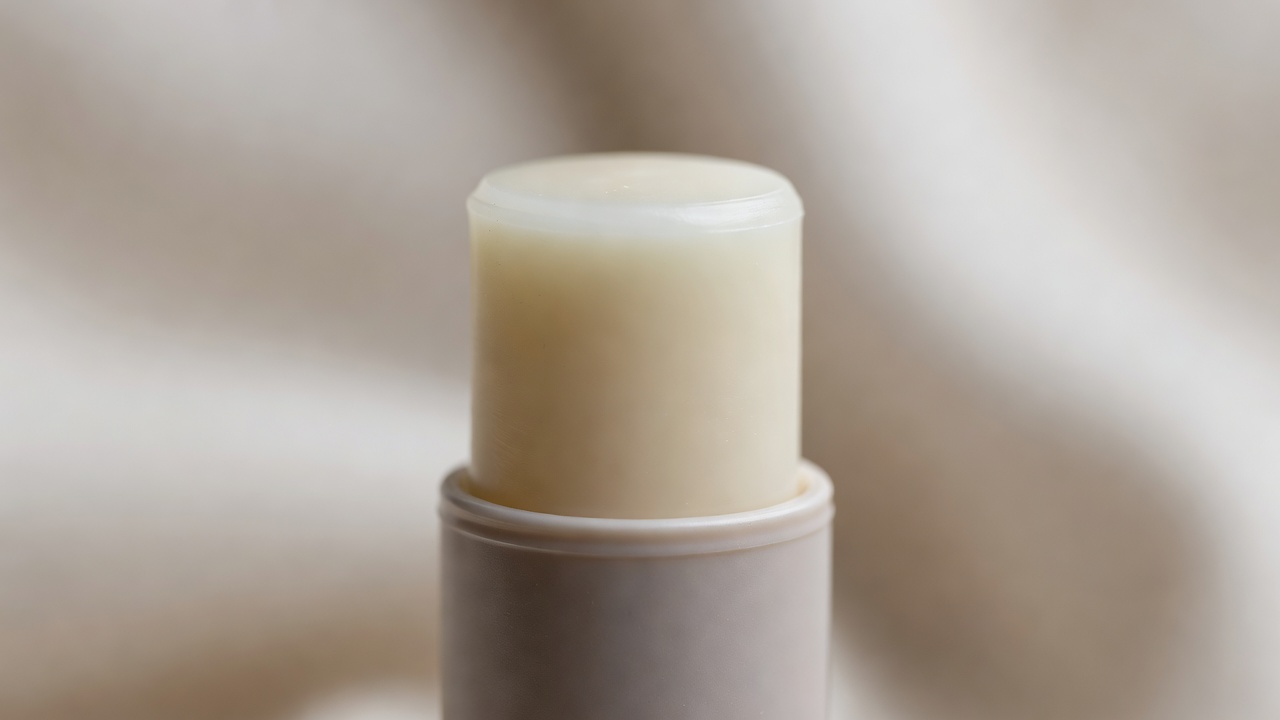
Give chapped lips fewer jobs
Lips have a thinner protective surface than much of the surrounding skin and are readily affected by wind, low humidity and repeated wetting. Licking can briefly feel soothing, but the cycle of wetting and evaporation can worsen discomfort. Picking loose skin adds friction and may leave small cracks that hurt when you eat or speak.
Start with a simple, fragrance-free balm or plain petrolatum. Reapply when needed, particularly after eating, drinking or washing your face. A slightly thicker layer at bedtime may help reduce overnight water loss. There is no need to scrub flakes away first. Let comfortable care and normal shedding do the work.
Tingling, cooling or burning is not evidence that a lip product is healing anything. Menthol, camphor, flavourings, fragrance and some botanical oils can be troublesome for already irritated lips. Individual tolerance varies, so a product your friend loves may not suit you. Stop using a balm that consistently makes the area feel worse.
Know when it is not just chapping
Persistent cracking at the corners of the mouth, recurrent swelling, a spreading rash or a sore that does not heal should be assessed. Several conditions can look like ordinary dryness, and they do not all need the same treatment. Do not repeatedly apply steroid, antibiotic or antifungal products without advice simply because the area is small.
A lip balm is also not protection against severe cold injury. Numbness, unusually pale or waxy skin, or loss of sensation after cold exposure calls for prompt attention. Move to shelter and seek medical help if frostbite is suspected. Avoid rubbing the affected area or using intense direct heat.
Cold weather does not switch off ultraviolet radiation
Air temperature and UV exposure are different measurements. Snow can reflect UV toward the face, including areas that are easy to miss. Higher altitude can increase exposure because there is less atmosphere above you to absorb radiation. A bright ski day deserves a different plan from a short walk in low winter sun, but neither plan should rely on how warm your cheeks feel.
The World Health Organization advises sun protection when the UV Index reaches 3 or above. Snow, altitude, long periods outdoors and individual medical circumstances can justify extra caution even when a general forecast looks modest. If a medicine or medical condition increases your sensitivity to light, follow the advice you have been given.
Make sunscreen part of a wider plan
Choose a broad-spectrum sunscreen with SPF 30 or higher for exposed skin. SPF mainly describes protection against sunburn-producing UVB under test conditions; broad-spectrum labelling adds information about UVA protection. Follow the product’s application directions, including how long before exposure to apply it. A thin, uneven layer will not reproduce the labelled protection.
Reapply as directed, commonly every two hours outdoors and after swimming or sweating. Wiping your face, blowing your nose and friction from clothing can also remove product. Use a lip product labelled broad-spectrum SPF 30 or higher outdoors, and reapply it after eating or drinking. An ordinary balm without an SPF claim is not a sunscreen.
Do not blend sunscreen with moisturiser to make application quicker; mixing can interfere with the protective film. Apply separate layers and let them settle. If sunscreen stings, try another suitable formulation rather than deciding that protection is impossible. Persistent irritation deserves advice, particularly around the eyes or on already inflamed skin.
Cover what you can comfortably cover
Clothing, shade and eyewear reduce the amount of skin relying on sunscreen alone. Consider gloves, a comfortable face covering and UV-protective sunglasses or snow goggles that fit well. Look for eyewear labelled to block UVA and UVB, and use equipment suited to the activity. Glare reduction and UV protection are related choices, but they are not identical claims.
Check easily forgotten areas: ears, the hairline, the back of the neck and beneath the chin where reflected light can reach. Take shelter breaks during prolonged exposure, especially around midday. Sunscreen does not make unlimited time outdoors risk-free and should not be used to extend exposure deliberately.
A short winter-outdoor checklist
Check the UV Index and weather. Cover exposed skin where practical. Apply suitable sunscreen and SPF lip protection according to their labels. Pack enough to reapply, bring appropriate eyewear and plan shelter from wind and severe cold.
Sources and further reading
- American Academy of Dermatology: dry, chapped lips.
- World Health Organization: the UV Index.
- The Skin Cancer Foundation: sunscreen.
- NHS: frostbite — recognising cold injury and seeking care.